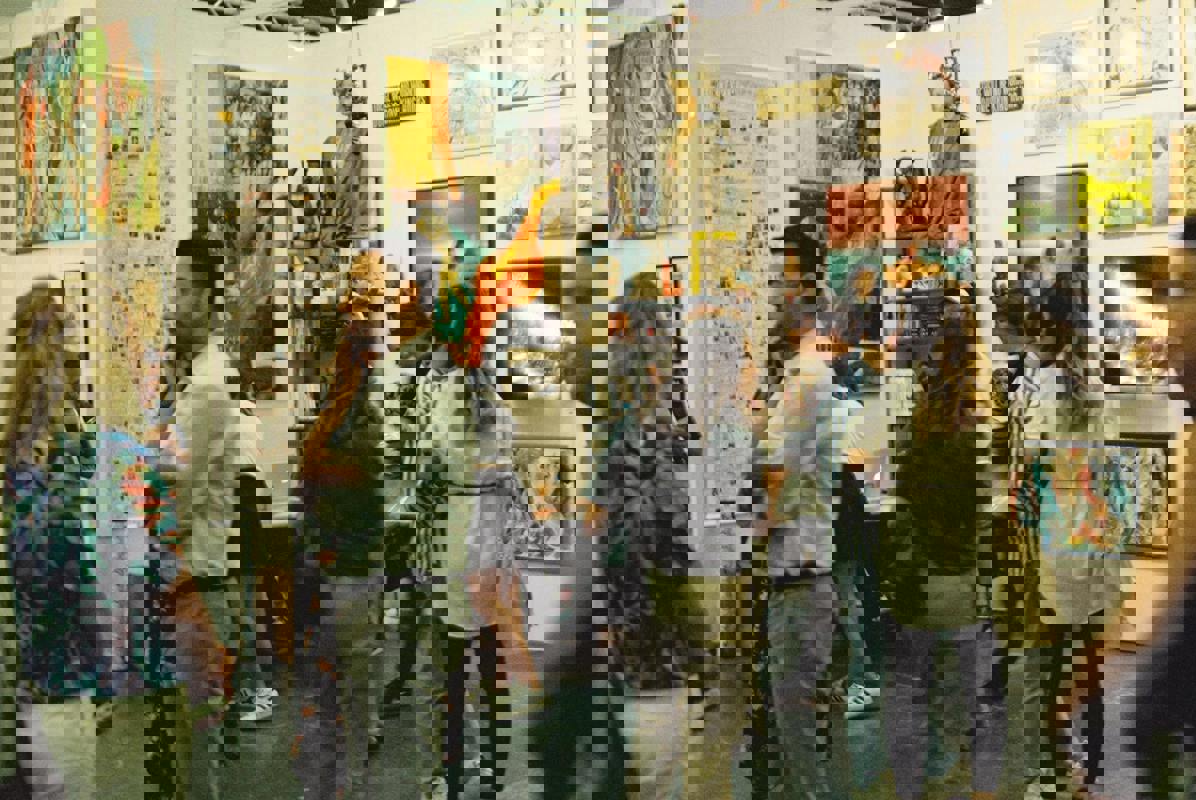
Indigenous artists are making remarkable strides across Canada's national art scene, with their exhibitions gaining prominent attention from leading galleries coast to coast. This surge in recognition marks a significant turning point, reflecting both a growing appreciation for Indigenous creativity and an evolving understanding of cultural heritage in contemporary Canada. Galleries are now foregrounding Indigenous voices more than ever, ensuring that their vibrant contributions receive the visibility they deserve.
In recent years, a wave of emerging Indigenous artists has introduced bold and innovative works that challenge traditional narratives. Their art captivates audiences not only through striking visual techniques but also with profound messages about identity, history, and reclamation. Institutions such as the National Gallery of Canada and the Art Gallery of Ontario have introduced dedicated exhibitions, offering crucial platforms for these artists to showcase their talent to a national and international audience.
The impact of these exhibitions extends far beyond the art world, sparking fresh conversations about reconciliation and inclusion. "Art has always been fundamental to Indigenous storytelling and knowledge sharing," says Dr. Lisa Brooks, a curator specializing in Indigenous art history. "These new exhibitions provide a space for dialogue, allowing Canadians to engage with the realities and aspirations of Indigenous communities."
Many emerging artists are taking traditional materials and storytelling methods and reimagining them in a modern context. For instance, beadwork, textiles, and sculpture are blending seamlessly with digital media and installation art. This dynamic synthesis illustrates the adaptability and evolution of Indigenous artistic expressions, allowing artists to navigate between cultural inheritance and contemporary global trends.
Statistics reveal a notable increase in Indigenous representation within Canadian national art collections. According to the Canada Council for the Arts, Indigenous artists accounted for more than 15% of new acquisitions in the past year, a marked rise from previous decades. This growth is largely attributed to intentional shifts in acquisition policies and curatorial practices that prioritize diversity and cultural stewardship.
Artists such as Joi T. Arcand (Plains Cree) and Jordan Bennett (Mi’kmaq) have pioneered this movement with their arresting installations and public artworks. Their pieces often interrogate power dynamics, cultural erasure, and language revitalization. Bennett, known for his vibrant use of color and form inspired by traditional Mi’kmaq motifs, describes his work as "a bridge between generations, honoring ancestors while inviting new interpretations for the future."
The growing presence of Indigenous-led curators and art professionals has been instrumental in reshaping exhibition narratives. These leaders ensure authenticity and community engagement, countering historic tendencies of misrepresentation. "It’s critical that Indigenous peoples curate their own stories," asserts Tamara Pictou, an art advocate and gallery director. "This not only sustains artistic integrity but also fosters deeper respect between Indigenous and non-Indigenous audiences."
Beyond gallery walls, Indigenous artists are also building connections with diverse audiences through communal murals, artist residencies, and educational programming. Such outreach initiatives demystify contemporary Indigenous art, inviting Canadians of all backgrounds to participate in cultural exchanges. Schools and youth organizations increasingly partner with artists to promote understanding of Indigenous histories, languages, and values through creative expression.
National recognition of Indigenous artists is influencing art markets and collectors. Pieces that once struggled for visibility now attract competitive bids at auctions and significant sales in galleries. Art historian Catherine Marshall notes, "There’s a growing demand for works that reflect authentic lived experiences. Collectors are motivated not only by aesthetics but by the stories, resilience, and innovation embedded in each piece."
Despite these advances, challenges persist. Many Indigenous artists face structural barriers including underfunding, geographic isolation, and limited access to professional networks. Advocacy groups continue to call for increased investment in Indigenous arts infrastructure and better representation in leadership roles within cultural institutions. Addressing these gaps is essential for sustaining momentum and ensuring that gains in recognition translate into lasting equity and opportunity.
Looking ahead, the success of these vibrant new exhibitions hints at an exciting future for Indigenous art in Canada. As artists continue to break new ground, they are reshaping national conversations on history, identity, and belonging. Their works not only celebrate profound cultural inheritances but inspire a renewed commitment to reconciliation, creativity, and dialogue, enriching the country’s cultural landscape for generations to come.